A complete month-by-month guide to the best time to visit Shirdi, covering weather, crowd levels, 2026 festival dates and the calmest days for darshan.
The best time to visit Shirdi for most pilgrims is the winter window from October to February, when the weather turns pleasant and the darshan queues feel manageable. Yet the right month for you depends on a simple trade-off. Do you want cool, comfortable weather with bigger crowds, or quiet queues in tougher conditions? This month-by-month guide answers that clearly, with real temperature ranges, crowd patterns, and the 2026 festival dates that change everything.
Shirdi sits in the Ahmednagar region of Maharashtra. Its climate follows three distinct seasons. Each one shapes both the weather and the size of the crowd at the Sai Baba Samadhi Mandir. Once you understand that rhythm, planning becomes easy.
Quick Summary: When to Go
- Best overall: October to February — pleasant 10–28°C, comfortable darshan.
- Best for low crowds: July to September (monsoon), except festival days.
- Best days of the week: Tuesday and Wednesday.
- Busiest day: Thursday, due to the night Palki procession.
- Best time of day: Kakad Aarti, around 4:30 AM, for the shortest queues.
- Avoid for peace: Ram Navami, Guru Purnima, and the October Punyatithi.
Understanding Shirdi’s Three Seasons
Before the month-by-month detail, a quick overview helps. Winter runs roughly October to February and brings the most comfortable weather. Summer covers March to May and turns hot and dry. Monsoon arrives in June and lasts through September.
Notably, crowd size does not always follow the weather. October is pleasant but extremely busy because of Sai Baba’s Punyatithi. July is rainy yet packed for Guru Purnima. So you must weigh both factors together, not just the temperature.
Month-by-Month Weather and Crowd Table
The table below gives approximate temperatures and crowd levels for each month. Use it as a quick reference while fixing your travel dates. Conditions vary year to year, so treat these as reliable guides rather than guarantees.
| Month | Temp (°C) | Crowd | Best For |
|---|---|---|---|
| January | 11–29 | High | Cool weather |
| February | 14–32 | High | Pleasant darshan |
| March | 18–36 | Moderate | Ram Navami |
| April | 22–40 | Low | Budget trips |
| May | 25–42 | Low | Short queues |
| June | 24–37 | Low | Monsoon onset |
| July | 22–30 | Moderate | Guru Purnima |
| August | 21–29 | Low | Green scenery |
| September | 21–31 | Moderate | Calm darshan |
| October | 18–32 | Very High | Punyatithi |
| November | 14–30 | High | Diwali, cool air |
| December | 11–29 | High | Crisp weather |
The Best Time to Visit Shirdi: Winter (October to February)
Winter is the clear favourite for a reason. Daytime temperatures sit comfortably between 25°C and 30°C, while nights can dip to 10–14°C. The chilly early mornings make the 4:30 AM Kakad Aarti especially atmospheric.
However, comfort comes at a price. These are the peak months, so queues run longer and hotel rates climb. Many South Indian pilgrims specifically choose this window for the gentle weather. Therefore, book your room two to three weeks ahead from November through January.
Above all, December and January offer the crispest air of the year. If pleasant weather matters more to you than short queues, this is your season.
Summer in Shirdi (March to May)
Summer is the off-season, and the heat explains why. Temperatures climb steadily from the high thirties in March to as much as 42°C by May. The afternoon sun makes standing in open queues genuinely tiring.
That said, summer has real advantages for the right traveller. Crowds thin out considerably outside festival days. Consequently, hotel rates drop and darshan waits shrink. Budget pilgrims and those who hate crowds often prefer these months despite the heat.
If you do travel in summer, plan around the sun. Aim for the early Kakad Aarti or the late Shej Aarti. Carry light cotton clothing, a hat, and plenty of water.
Monsoon in Shirdi (June to September)
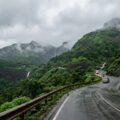
Monsoon transforms the region into lush green countryside. Temperatures ease to a refreshing 20–32°C. Shirdi receives a moderate annual rainfall of around 480 mm, with July and August being the wettest months.
For peaceful darshan, this is arguably the quietest stretch of the year. Queues stay short on non-festival weekdays, and the atmosphere feels serene. Meanwhile, the drive to nearby Shani Shingnapur turns scenic under the rain-washed skies.
Of course, rain brings minor hassles. Roads can get slippery, and heavy spells may cause short delays. Pack a raincoat and an umbrella, and the monsoon rewards you with calm and low costs.
Best Time to Visit Shirdi for Fewer Crowds
Weather aside, the day and hour you choose make a huge difference. Tuesday and Wednesday are consistently the least crowded days of the week. Thursday, by contrast, is the busiest because of the famous night Palki procession at 9:15 PM.
For the shortest waits, reach the temple for the Kakad Aarti around 4:30 AM. During peak festivals, ordinary darshan can stretch to several hours, while early mornings stay far lighter. Weekends naturally draw heavier footfall too.
Shirdi Aarti Timings to Plan Around
Four daily aartis structure the temple day. Planning your darshan around them improves the whole experience.
- Kakad Aarti (morning): around 4:30 AM
- Madhyan Aarti (noon): around 12:00 PM
- Dhoop Aarti (evening): around sunset
- Shej Aarti (night): around 10:30 PM
Aarti slots can shift slightly with the season and special days, so confirm them before you go.
Shirdi Festival Calendar 2026
Three major festivals define the Shirdi calendar. Each brings powerful spiritual energy and very large crowds. Decide early whether you want that intensity or a quieter visit.
Ram Navami — 26 March 2026
Ram Navami is historically the grandest festival at Shirdi. Devotees fill the town for grand processions and the symbolic changing of the flags at Dwarkamai. Since it falls just before peak summer, expect heat alongside heavy crowds.
Guru Purnima — 28 to 30 July 2026
Guru Purnima holds special meaning here. It is the one festival Sai Baba personally encouraged his devotees to observe. In 2026, the celebrations run from 28 to 30 July, with the main day on 29 July. Despite the monsoon, the crowds are immense, so book accommodation well in advance.
Vijayadashami Punyatithi — 20 October 2026
This is the most emotional occasion of the year. It marks the day Sai Baba attained Mahasamadhi in 1918, observed on Vijayadashami. In 2026, the three-day Punyatithi falls around 20 October, with Akhand Parayan, chariot processions, and an all-night open Samadhi Mandir.
Additionally, the Diwali week arrives soon after, around early November 2026. Combined with post-monsoon pleasant weather, October and November become the busiest stretch of the entire year.
Who Should Visit Shirdi in Which Month?
Different travellers want different things, so here is a practical match-up. This is where most generic guides stop short.
- First-time pilgrims wanting comfort: November to February.
- Budget travellers: April, May, or August, for cheaper stays.
- Crowd-averse visitors: mid-week days in August or September.
- Festival seekers: July (Guru Purnima) or October (Punyatithi).
- Families with elders: December or January, avoiding festival peaks.
For example, an elderly couple seeking an easy, calm darshan should pick a December weekday, not the October Punyatithi. A young devotee craving the festival atmosphere should do the opposite.
Insider Tips Most Guides Miss
First, the weather and the crowd rarely align perfectly. October looks ideal on paper but is one of the busiest months because of Punyatithi. So always check the festival calendar before booking on weather alone.
Secondly, the online darshan and aarti booking system on the official trust website helps you skip uncertainty. Reserve your slots ahead, especially in peak season. You can plan through the Shri Saibaba Sansthan Trust portal.
Furthermore, mid-week monsoon visits are an underrated sweet spot. The greenery is beautiful, the queues are short, and rates are low. Just pack proper rain gear and accept the occasional slippery path.
Finally, verify exact festival dates and aarti timings close to your trip. Hindu festival dates shift each year with the lunar calendar, so cross-check on the official site or a trusted panchang like Drik Panchang.
The Bottom Line
The best time to visit Shirdi comes down to your own priority. For comfortable weather and a classic pilgrimage feel, choose the October-to-February winter, and book early. For low crowds and lower costs, pick a monsoon or summer weekday and plan around the heat or rain. Whenever you go, aim for a Tuesday or Wednesday and the early Kakad Aarti for the smoothest darshan. Match your dates to the 2026 festival calendar, and your trip to Sai Baba’s abode will feel unhurried and deeply peaceful.
Frequently Asked Questions
What is the best time to visit Shirdi overall?
October to February is the best overall window, with pleasant temperatures between 10°C and 28°C. The weather suits long darshan queues and exploring the town. Just expect larger crowds and higher hotel rates during these months.
Which months have the smallest crowds in Shirdi?
The monsoon months of July to September see the fewest visitors, except on festival days like Guru Purnima. Summer months such as April and May are also quieter. Mid-week days in these periods give the shortest darshan waits.
What is the best day of the week to visit Shirdi?
Tuesday and Wednesday are the calmest days at the Sai Baba temple. Thursday is the busiest because of the night Palki procession. Weekends also draw heavier crowds throughout the year.
What time should I reach the temple for a quick darshan?
Arrive for the Kakad Aarti around 4:30 AM for the shortest queues. Early mornings stay far lighter than midday or evening. During festivals, this early slot can save you several hours of waiting.
When are the major Shirdi festivals in 2026?
Ram Navami falls on 26 March 2026, Guru Purnima runs from 28 to 30 July 2026, and the Vijayadashami Punyatithi is around 20 October 2026. These draw the largest crowds of the year. Book hotels well in advance if you plan to attend.
Is the monsoon a good time to visit Shirdi?
Yes, for travellers who prefer calm darshan and lower costs. The countryside turns lush and green, and weekday queues are short. Carry rain gear, as July and August bring the heaviest showers.
How hot does Shirdi get in summer?
Summer temperatures can reach up to 42°C in April and May. The heat makes open-air queues tiring during the day. Travel early or late, and carry water, a hat, and light cotton clothing.